Athlete Functional Assessment
Identify Sub-Optimals.
Prevent Injuries. Elevate Performance.
A Science-Backed Functional & Biomechanical Assessment for Athletes
At Performance Sports Physio Clinic, our Athlete Functional Assessment is designed to identify sub-optimal movement, strength, and biomechanical patterns that may limit performance or increase injury risk over time.
Using a combination of sport-specific movement analysis and objective testing tools, we evaluate how your body moves, produces force, and tolerates athletic demands—then identify what needs attention to support durability and long-term performance.
This assessment provides a clear snapshot of your current functional capacity and establishes a baseline for season-to-season tracking. When performed routinely, it allows you to compare periods of peak performance with times when something feels “off,” helping pinpoint what changed and what should be addressed.
Our goal is not to coach technique, but to provide clarity—so you can train smarter, reduce risk, and build a more resilient body year-round.

What is the Athlete Functional Assessment?
The Athlete Functional Assessment is a comprehensive evaluation designed to understand how your body handles the physical demands of your sport from a functional and biomechanical standpoint.
This assessment is not intended to diagnose or treat injuries. Instead, it focuses on identifying movement limitations, capacity deficits, and biomechanical stress patterns that may increase injury risk or limit performance over time.
While the assessment is informed by clinical knowledge and sports science, it is performed as a performance-focused evaluation.
This is how the assessment works:
1. 3D Body Scan – Structural & Postural Overview
We begin with a 3D body scan and observational analysis to identify asymmetries, alignment tendencies, and structural patterns that may influence movement and loading.
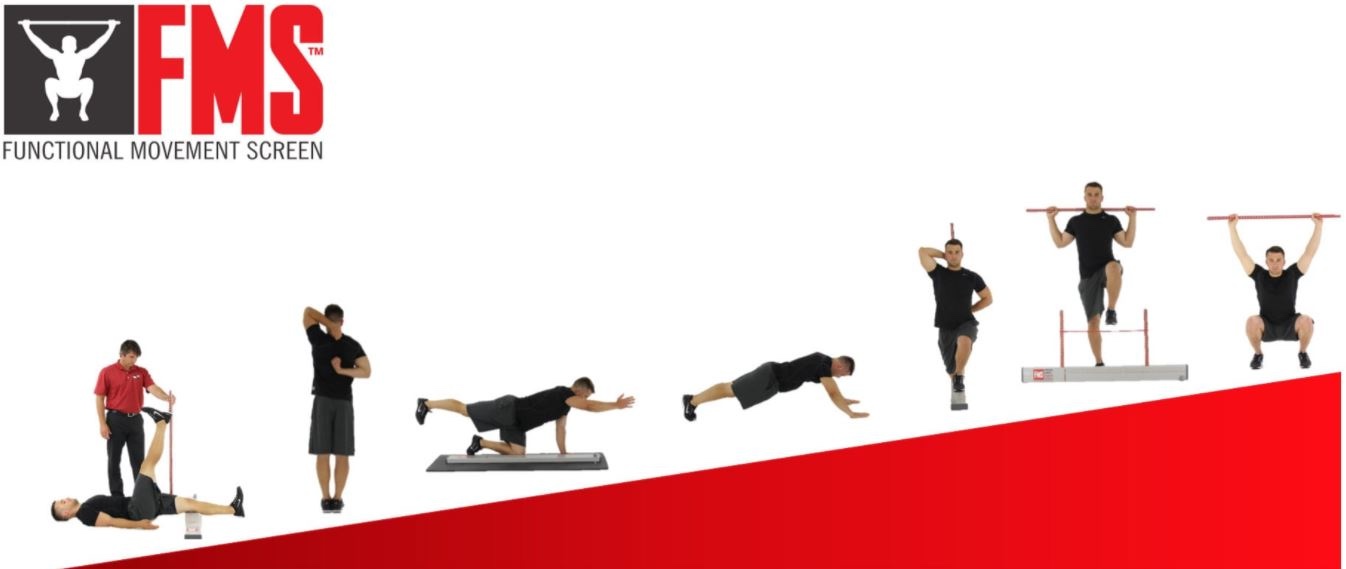
2. Functional Movement Screen (FMS) – General Functional Assessment
Using tools such as the Functional Movement Screen (FMS) and additional functional testing, we evaluate:
-
Mobility
-
Stability
-
Coordination
-
Foundational movement capacity
3. Sport-Specific Functional Evaluation
We then evaluate sport- and position-specific tasks based on the demands of your sport.
For exmaple:
-
Pitching or batting motion analysis for baseball players
-
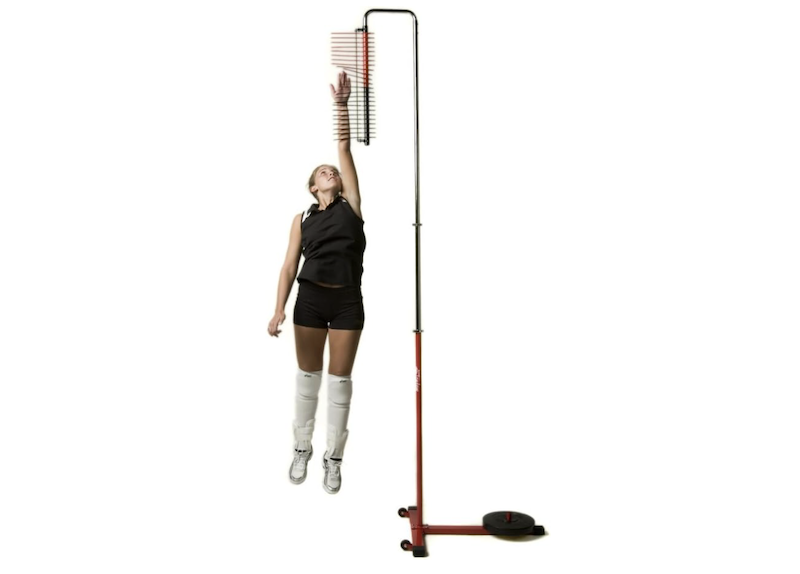
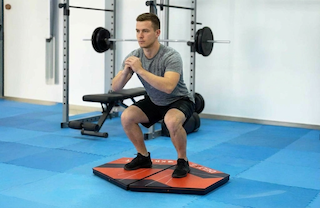
Jumping and landing mechanics for basketball and volleyball players
-
Other sport-relevant movements as appropriate
These movements are assessed from a functional and biomechanical perspective—not to coach technique, but to understand how forces are produced, transferred, and absorbed throughout the body.
To support this analysis, we incorporate objective performance testing tools when appropriate, such as:
-
Force plate testing to assess:
-
Force production and absorption
-
Left–right asymmetries
-
Rate of force development
-
Jump and landing characteristics
-
-
Joint position– and angle-specific strength testing using digital dynamometry to evaluate:
-
Strength at sport-relevant joint angles
-
Side-to-side differences
-
Capacity in positions where breakdowns commonly occur
-
-
Other appropriate technologies, selected based on the athlete’s sport, position, and goals, to provide objective data that supports functional findings.
These tools are not used in isolation. All data is interpreted in the context of:
-
Movement quality
-
Task-specific demands
-
Fatigue sensitivity
-
Real-world sport exposure
This allows us to move beyond visual assessment alone and make clear, defensible decisions about what limits performance and durability.
What We Look For
During the assessment, we identify:
-
Mobility restrictions or asymmetries
-
Strength and capacity deficits
-
Inefficient force transfer or sequencing
-
Compensation patterns during sport-specific tasks
-
Fatigue-related movement breakdowns
-
Biomechanical factors that may increase injury risk
Each finding is interpreted using the FDPS™ (Functional Diagnosis & Progression System) to determine why performance may be limited and what should be addressed first.
What This Assessment Is — and Is Not
This assessment is for:
-
Athletes returning to training after time off or injury
-
Athletes with recurring discomfort or performance plateaus
-
Athletes preparing for an upcoming season or increased workload
-
Athletes seeking clarity about movement quality and durability
This assessment is not:
-
Medical diagnosis or treatment
-
Physical therapy or rehabilitation services
-
Sport coaching or technique optimization
-
Generic screenings without clear interpretation
What You Receive
-
A clear explanation of assessment findings
-
Identification of primary and secondary limiting factors
-
Functional and biomechanical interpretation of sport-specific movements
-
Objective guidance on next steps (training focus, conditioning priorities, or monitoring)
-
A foundation for performance programming or, if appropriate, referral to medical care
Why This Matters
Many performance issues and overuse injuries develop not from a single event, but from unidentified movement limitations and accumulated stress.
By identifying these factors early, athletes can:
-
Reduce injury risk
-
Improve movement efficiency
-
Make smarter training decisions
-
Build long-term durability and confidence
How This Fits Into Our System
The Athlete Functional Assessment can be:
-
A stand-alone performance evaluation, or
-
The starting point for conditioning programs, performance development, or ongoing monitoring
If medical care is needed, that pathway is addressed separately in Physical Therapy.